
Visvaldis Lāms
Biography
Visvaldis Lāms (born Visvaldis Eglons, 1923–1992) was a Latvian writer and publicist. At the age of fifteen, following his father’s premature death, Lāms got his first job (he was a mechanic’s apprentice, locksmith, road worker, and also tried his hand at other trades) and continued to work – with occasional interruptions – for the next thirty years, even after his writing career began. In 1943, Lāms was drafted into the Latvian Legion. In 1946, Lāms was released from the NKVD screening and filtration camp. He devoted several of his works to this topic. Following the publication of Baltā ūdensroze (White Water Lily; 1958) and Kāvu blāzmā (In the Aurora’s Glow; 1958) in the literary journals “Zvaigzne” and “Karogs”, he became the target of ideological criticism. This criticism focused on “ideological errors”, the absence of “the role of the citizen”, becoming lost in “an obscure corner of life”, and the retreat from the mainstays of Socialist realism. As a result, Lāms was barred from publication for seven years. His novel Kāvu blāzmā was only published in its entirety in 1989. And yet, as Latvian literary critic Guntis Berelis observes, despite this ideological pressure, “Lāms was one of the few literary figures, possibly the only one, who wrote as if censorship did not exist. He knew, of course, that any heretical statements or free-thinking paragraphs would be struck from his novels – but he wrote them anyway.” Central to a number of Lāms’s books is the figure of the non-idealised man and his relationship to work, time, history, and life in general. Lāms wrote sixteen novels in total, and several short stories.
Bibliography
Novels
Abadona miers [Peace of Abadon] (1993)
Ķēves dēls Kurbads [Mare's son Kurbads] (1992)
Baltā ūdensroze. Grāmatveža Kitnera liriskas piezīmes [White Water Lily. The Lyrical Notes of Kitners the Accountant] (1992)
Kāvu blāzmā [Northern lights] (1989)
Bāleliņi [Brothers] (1987)
Zeme viņpus Mordangas [The Earth beyond Mordanga] (1986)
Pavarda kungs Ašgalvis [Master of the Fireplace] (1982)
Trase [The Route] (1980)
Tava valstība [Your Kingdom] (1978)
Mūža guvums; Visaugstākais amats [Life Gain; General Office] (1974)
Jokdaris un lelle [Joker and Doll] (1972)
Kāpj dūmu stabi [Smoke Poles Rise] (1960)
Ceļš pa dzīvi [Life's Road] (1956)
Stories
Vīri iet tikai uz priekšu [Men only go Forward] (1968)
Lido pāri straumei; Putna ceļa loks [Flying over the Stream; Bird's Path Arc] (1967)
Darbā kaldināta jaunība [Youth forged at work] (1961)
Collected works
Akmeņu brasls [Stone Crossing] (1983)
Raudze [Hallmark] (1973)
Miscellaneous
Gribas un atziņu sūrums [Bitterness of Will and Conclusions] (1977)
Vienu avota lāsi: atmiņu miniatūras [One Drop of Spring: Miniature Memories] (1971)
Articles
Radio reading of Peace of Abadon // Latvijas Sabiedriskie Mediji, 2019 [LV]
Reviews
Ildze Kronta, Abadona miers nedod miera, review of Peace of Abadon // Jaunā Gaita, nr. 197, 1994 [LV]
Aivars Ruņģis, Patiesība, pilna patiesība un nekas cits kā patiesība, review of Northern lights // Jaunā Gaita nr. 176, 1990 [LV]
Awards
1990, Rainis Award
1986, VEF (State Elektrotechnical Factory) Award for the brght depiction of workers in literary fiction
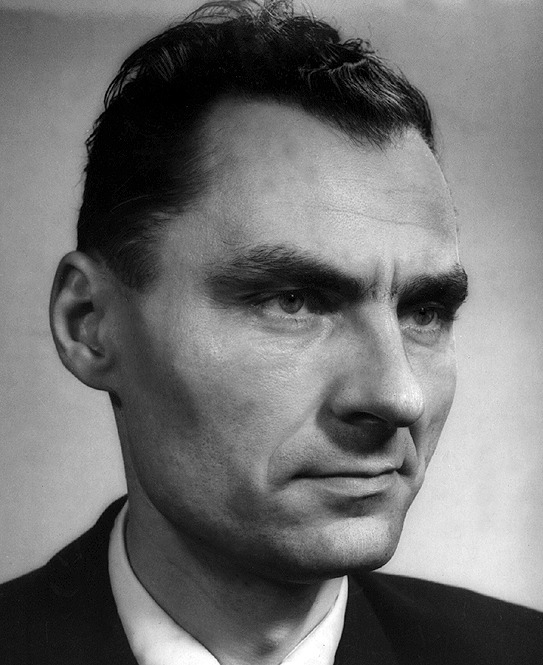
Image author