
Vilis Lācis
Biography
Vilis Lācis (1904–1966) was born in Mangaļi parish in the fishing village of Rīnūži (present-day Vecmīlgrāvis near Rīga). During the First World War, his family was evacuated to the Altai region in Russia, where Lācis finished his studies as a teacher and began work as the secretary of the village council. On returning to the newly-independent Latvia, Lācis tried his hand at several different jobs: fisherman, harbour labourer, stoking a ship’s furnace, and working at a library. At the same time, he was focused on his writing and making contacts among Communists. During the 1930s, his writing career was helped by the publisher Emīlija Benjamiņa, who published a serialised version of Lācis’s novel Zvejnieka dēls [The Fisherman’s Son] in the newspaper “Jaunākās Ziņas”. As a result, Lācis became one of the most popular Latvian writers. In 1940–1941, Lācis was amongst those who helped to establish the new Soviet government in Latvia. During the Second World War, he fled to Moscow along with other Soviet activists; on the return of the Soviet occupation he once again came to power, serving as the chairman of the Soviet of Nationalities of the USSR Supreme Soviet (1950–1958) and the chairman of the Council of Ministers of the Latvian SSR (1946–1959).
Due to his political activities (he signed the arrest and deportation orders for many major figures in Latvian society and politics), Lācis’s role in Latvian history is mixed; even tragic. However, due to his captivating Soviet-era novels, he continues to be one of the most popular Latvian writers in Latvia. In the 1930s, as much as today, readers enjoyed the exciting adventures, the noble qualities of the characters, and the fast-paced and well-designed plots, all of which characterise Lācis’s prose. Following the start of the Soviet occupation, Lācis became declarative. The works of Lācis have been adapted for film and television more than those of any other Latvian author.
Bibliography
Novels
Pēc negaisa [After The Storm] (1962)
Ciems pie jūras [Village at the Sea] (1953)
Uz jauno krastu [To the New Shore] (1952)
Vētra [Storm] (1946-1948)
Pazudusī dzimtene [The Lost Motherland] (1941)
Akmeņainais ceļš [Rocky Road] (1939)
Vecā jūrnieku ligzda [Nest of an old Seaman] (1937-1938)
Cilvēki maskās [People in Masks] (1935)
Senču aicinājums [Call of the Ancestors] (1935)
Zvejnieka dēls [The Fisherman's Son] (1933-1934)
Putni bez spārniem [Birds With No Wings] (1931-1934)
Atbrīvotais zvērs [The Freed Animal] (1930-1931)
Prose
Aizputes dēli [Sons of Aizpute] (1945)
Nākotnes kalēji [Blacksmiths of the Future] (1943)
Edžiņš [Edgar] (1942)
Vēlais pavasaris [Late Spring] (1939)
Zeme un jūra [Earth and Sea] (1938)
Vainīgie [The Guilty] (1938)
Rotaļa virs bezdibeņa [Game over the Abyss] (1937)
Četri braucieni [Four Rides] (1937)
Vanadziņš [Little Hawk] (1936)
Pūļa elks [Idle of the Crowd] (1935)
Ceļojums uz Norieta pilsētu [Journey to the City of Decline] (1933)
Sieviete [Woman] (1930)
Plays
Uzvara [Victory] (1945)
Vedekla [Daughter-in-law] (1943)
Zeme un jūra [Earth and Sea] (1940)
Bāka uz salas [Island Lighthouse] (1937)
Kristaps Kaugurs (1936)
Tālais ceļš [Long Road] (1935)
Articles
About a contemporary reading of Unnecessary People and Journey to the City of Decline // Latvijas Sabiedriskie Mediji, 2014 [LV]
Reviews
Biographical play about Vilis Lācis by Māra Zālīte // Diena.lv, 2009 [LV]
Awards
1952, USSR Award for To the New Shore
1949, USSR Award for Storm
1947, the Latvian Soviet Socialist Republic Author Award
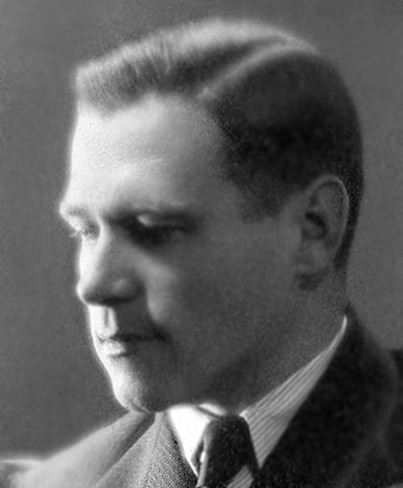
Image author