
Jānis Veselis
Biography
Jānis Veselis (1896–1962) learned most of what he knew about literature through self-study: before the First World War he studied German and French on his own, and when he was nineteen he experienced “a moment of clarity, oneness with the Universe” and began to take a deep interest in the ancient writings of various different cultures. As a result, he developed his own unique approach to literature, which he used in his own written works – prose, plays, poetry – as well as in his reviews. During Latvia’s first period of independence, Veselis was one of the most prominent prose critics and wrote about nearly all of the most prominent authors of the day.
In 1944, Veselis emigrated to Germany, where he had worked as an editor for the publishing house Latvju grāmata (Latvian Book) during the Nazi occupation. He left his wife Mirdza and their four children behind in Latvia, though they had been living apart even before then. In 1950, Veselis moved to the United States, where he worked as a door-to-door salesman for Latvian books.
His contemporaries characterised Veselis as a unique individual with a strong personality. At one point, his most popular work was a book of short prose inspired by Latvian myths: Latvju teiksmas (Latvian Tales; 1942), which is also one of the first works of distinctly fantasy-style prose in Latvian literature. More recently, readers have preferred his novels, especially Dienas krusts (The Day’s Burden; 1942). These novels are written in a fairly realistic style, but nonetheless the reader can sense the author’s interest in the mythical and primordial world and its influence on the life of individuals.
Bibliography
Stories and collections of stories
Saules meitas [Daughters of the Sun] (1945)
Neticīgā Toma mīlestība [The Love of a doubting Thomas] (1928)
Vilkači [Werewolves] (1925)
Rēgi un cilvēki [Ghosts and Humans] (1924)
Dievu gulta [Gods' Bed] (1923)
Aklais ezers [Blind Lake] (1921)
Zem vācu jūga [Under the German Yoke] (1921)
Pasaules dārdos [In the World's Thunder] (1921)
Novels
Blāzmas staigātāji [Glow Walkers] (1962)
Tērauda dvēsele [The Iron Soul] (1961)
Divas māsas [Two Sisters] (1958)
Viesturs Varapoga (1952)
Velgas mīlestība (Love of Velga) (1942)
Cilvēku sacelšanās [Uprising of the People] (1934)
Dienas krusts [The Day's Burden] (1932)
Trīs laimes [Three Fortunes] (1929)
Tīrumu ļaudis [People of Fields] (1927)
Eņģelis Ufirs [Angel Ufir] (1924)
Liesma uz ūdeņiem [Flame on Water] (1922)
Saules kapsēta [Sun's Cemetary] (1921)
Plays
Kur tad tu nu biji, āzīti mans? [Where were you, my little buck?] (1934)
Jumis [Spirit of the Fields] (1931)
Poetry
Laimas mirdzumā [In the Glare of Laima] (1954)
Staru būdā [In the Beam-house] (1947)
Dzīves vainagi [Crowns of Life] (1943)
Essays, biographies, miscellaneous
Teiksma par manu mūžu [The Story about My Life] (1956)
Latviešu rakstniecības vēsture [The History of Latvian Writing] (1947)
Augusts Annus (1944)
Latvju teiksmas [Latvian Tales] (1942)
Rakstnieku sejas [Writers' Faces] (1936)
Pārdomu grāmata [Book of Thoughts] (1936)
Articles
About Lūcija Ķuzāne book on Jānis Veselis // Diena.lv, 1998 [LV]
Reviews
About Jānis Veselis // Jaunā Gaita, nr. 39, 1962 [LV]
Awards
1952, The Culture Fund Award for Viesturs Varapoga
1944, The Culture Fund Award for Latvian Tales
1928, The Culture Fund Award for People of Fields
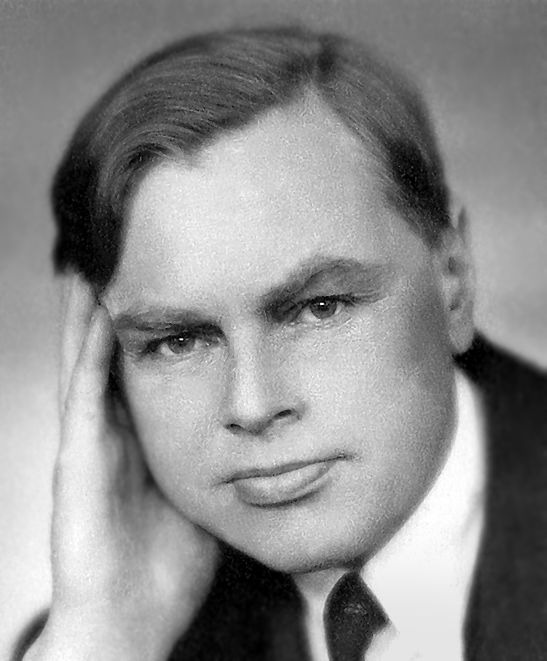
Image author