
Jānis Poruks
Biography
Jānis Poruks (1871–1911) was born in Prēdeļi in Druviena parish (located in present-day Gulbene municipality). His father was the head of the parish and his family owned a farm. He studied at Druviena Parish School, Liezēre Church School, Cēsis City School, all the while immersing himself in world literature. Poruks was a talented and pleasant young person, and as a result he secured the support of Rīga Polytechnic School docent Hermanis Vestermanis, who helped Poruks financially as well as giving him advice during his search for a private school and, later, while he was studying music in Dresden. While abroad, Poruks enjoyed not only art but the company of interesting people. He went on to study chemistry in Rīga but was discharged during a period of student unrest, and so instead found work as a civil servant and in business. At the end of the century, he began to work intensively on his writing; however, 1904 was the year that marked the start of Poruks’s decline. His daily routine was disrupted and he was suffering from a mental illness which led him to seek treatment at several psychiatric clinics until he died suddenly at Wladimir Tschisch’s psychiatric clinic in Tartu.
Poruks was one of the first to write in Latvian about Nietzsche’s ideas. His book Nākotnes reliģija (Religion of the Future) focused on these ideas and was also published in German in Berlin. His novella Perpetuum mobile (1894) came about as a result of his studies on contemporary philosophical thought, and he is seen as having had an especially broad creative range compared with other Latvian writers. Poruks includes in his work concepts from Christianity to Nietzscheanism, from rich fantasy to the stark realities of everyday life. He wrote novels, short stories, novellas, poetry, and other works, and is considered to be one of the foundational figures of Latvian romantic prose. He also developed several Latvian literary archetypes: pure-hearted folk, “pearl divers”, pale lads, and others.
Bibliography
Prose
Tiesneša līgava un citi stāsti [The Judge's Bride and Other Stories] (1907)
Vecās Margrietas testaments [The Will of the Old Margaret] (1906)
Dzimtas plaisa [Family Crack] (1905)
Čūska [The Snake] (1905)
Brūklenāju vainags [Cowberry Bush Crown] (1904)
Baltās drānas [White Clothes] (1903)
Ērģelnieks [The Organist] (1903)
Dzīves straume [Flow of Life] (1902)
Veseli ļaudis [Healthy Folks] (1901)
Grāfs Rodenšteins [Count Rodenstein] (1901)
Ubagi gada tirgū [Poor at the Fair] (1901)
Sirdis starp sirdīm [Hearts among Hearts] (1900)
Krustmātes kāzas [Godmother's Wedding] (1900)
Kukažiņa [Kukazhina] (1899)
Rīta zvaigzne [The Morning Star] (1899)
Asaras [Tears] (1898)
Kā Runcis kļuva par Runcē [How The Cat became Sir Cat] (1898)
Nervi [Nerves] (1898)
Kauja pie Knipskas [The Battle at Knipska] (1897)
Sirdsšķīsti ļaudis [Pure-minded Folks] (1896)
Pērļu zvejnieks [The Pearl Diver] (1895)
Plays
Hernhutieši [Hernhuti] (1896)
Poetry
Dzejas [Poems] (1906)
Zilizana sirdsdedze [Zilizan's Burning Heart] (1905)
Novels
Zelta adata [The Golden Needle] (1906)
Rīga [Riga] (1899)
Collected works
Poruka raksti [Works of Poruks] (1905-1908)
Dzīve un sapņi [Life and Dreams] (1904)
Essays
Die Religion der Zukunft (Nākotnes reliģija) [Religion of the Future] (1894)
Articles
About Jānis Poruks // LA.lv, 2013
Reviews
Lauris Veips, review of The Pearl Fisher // Latvijas Kultūras Kanons [EN]
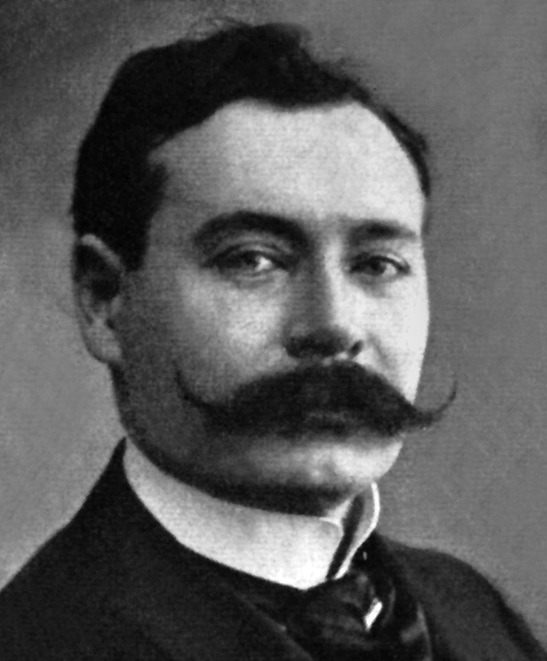
Image author