Jānis Jaunsudrabiņš
Biography
Jānis Jaunsudrabiņš (1877–1962), one of the most well-known Latvian authors of psychological prose, left a lasting mark on every literary genre imaginable, though in the present day he is mostly remembered for his skilful portrayals of country life. Past and present critics have also remarked on Jaunsudrabiņš’ realistic approach to describing people and his use of vibrant and picturesque “popular language”, which, as Latvian writer Jānis Veselis notes, “makes even small events interesting”.
Jaunsudrabiņš, who was born into a servant family, lost his father at the age of three and spent his childhood tending livestock and attending the Nereta Parish School in southern Latvia. He lived most of his life in Latvia, finally fleeing the country during the Second World War. He ended up in Germany, where he died in Körbecke in 1962.
As well as writing, Jaunsudrabiņš also worked as a professional painter and book illustrator. During his lifetime there were several exhibitions of his work, and he is considered one of the foundational figures in the art of book illustration in Latvia. He made his literary debut with his translation of Knut Hamsun’s novel Pan and would go on to translate other novels by Hamsun into Latvian, as well as works by Guy de Maupassant, Charles De Coster, and others. In his youth he wrote poetry. In 1906 he signed the Decadent declaration Mūsu mākslas motīvi (The Purpose of our Art). The first significant work of prose by Jaunsudrabiņš was his short story Vēja ziedi (Wind Blossoms), which was published in 1907 and gained the attention of critics for its interesting portrayals of people and nature and the composition of its central metaphor.
Bibliography
Novels
Liktenis [Destiny] (1946)
Nauda [Money] (1942)
Kapri [Capri] (1939)
Augšzemnieki [The Upper Farmers] (1937)
Neskaties saulē [Don't Look at the Sun] (1936)
Jaunsaimnieks un velns [The Farmer and the Devil] (1933)
Nāves deja [The Dance of Death] (1924)
Atbalss [The Echo] (1920)
Aija [Aija] (1911-1924)
Prose
Piemini Latviju [Mention Latvia] (1948)
Ūdeņi [Waters] (1947)
Balle aplokā [Party at the Enclosure] (1946)
Uršulīte [Ursula] (1935)
Ziema [Winter] (1925)
Dzērājam laime [Drunkard's Fortune] (1924)
Vasara [Summer] (1923)
Ar makšķeri [With the Fishing Rod] (1921)
Gredzens [The Ring] (1921)
Kaukāzs [The Caucasus] (1920)
Senā sētā [At the old Courtyard] (1918)
Dzimtene [Motherlands] (1914)
Jēkabs Gudrais un viņa nelaime [Jacob Smart and his misfortune] (1912)
Trīs dienas [Three Days] (1911)
Kolorēti zīmējumi [Colourful Drawings] (1910)
Vēja ziedi [Flowers of Wind] (1907)
Autobiographical Prose
Zaļā grāmata [The Green Book] (1950)
Bez dzimtenes [Without a Motherland] (1947)
Es stāstu savai sievai [Stories for my Wife] (1946)
Mana dzīve [My Life] (1922)
Baltā grāmata 2.daļa [The White Book Part II] (1921)
Baltā grāmata 1.daļa [The White Book Part I] (1914)
Plays
Invalīds un Ralla [Disabled Person and Ralla] (1934)
Jo pliks, jo traks [Because Naked, because Crazy] (1926)
Zvēru dīdītājas [Animal Trainers] (1924)
Dzīves nopūta [Life's Sigh] (1923)
Dzīvas un nedzīvas puķes [Living and Dead Flowers] (1915)
Ansis Auns (1911)
Sapnis saulītē [Dream in a Sun] (1909)
Pirmais sniegs [The First Snow] (1907)
Traģēdija: dvēseles tēlojums [Tragedy: Portrayal of the Soul] (1907)
Poetry
Debess un zeme [Sky and Earth] (1946)
Dziesminieks [The Bard] (1912)
Dzejoļi [Poems] (1910)
Collection of Stories
Ganos [Shepard] (1946)
Redzēts, dzirdēts un justs [Seen, Heard and Felt] (1940)
Sliņķu virsnieks [Officer of the Lazy] (1935)
Krītošas zvaigznes un citi stāsti [The Falling Stars and Other Stories] (1921)
Plūdi un atplūdi [Flood and Ebb] (1921)
Mani draugi [My Friends] (1912)
Children's literature
Sapnis saulītē [A dream in the Sun] (1940)
Mazie pilsētnieki [Little Town Dwellers] (1936)
Darba prieki [Joy of Work] (1929)
Ēšanas prieki [Joy of Eating] (1929)
Mazā Māra [Little Māra] (1929)
Skolā [At School] (1924)
Klibais Jurks [Limping Jurk] (1913)
Rites meža burvības [Magic of Rite Forest] (1913)
Articles
Pāvils Vasariņš, Jāni Jaunsudrabiņu pieminot, about the author and his literary works // Jaunā Gaita, 1977 [LV]
Reviews
Lauris Veips, review of Aija and The White Book // Latvijas Kultūras Kanons [EN]
Awards
1957, The World Federation of Free Latvians Award
1951, The Culture Fund Award for The Green Book
1944, The Culture Fund Award for Money
1936, The Culture Fund Award for the story Teapot
1934, The Culture Fund Award for The New Farmer and the Devil
1927, The Order of the Three Stars
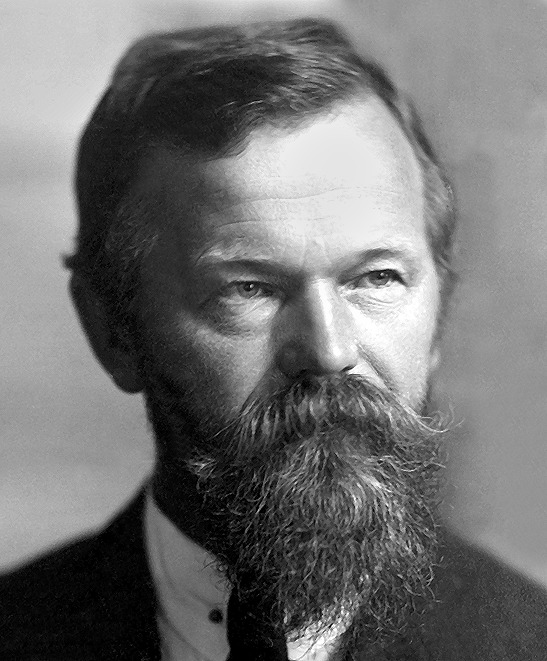
Image author