Anšlavs Eglītis
Biography
Anšlavs Eglītis (1906–1993) was a Latvian writer, journalist, and painter, the son of writer Viktors Eglītis and teacher and translator Marija Stalbova-Eglīte. The artistic environment of his family and home life, in addition to his sustained interest in the world of literature and art while growing up, were immensely important to his growth and development as a writer. Eglītis and his contemporaries appeared on the Latvian literary scene in the 1930s, at a transitional time between literary generations. It is interesting to note that the author’s books often contained his own illustrations, drawings, and other graphic design elements. He emigrated to Germany in 1944 and to the United States in 1950, where he became a film critic. Eglītis is rightly referred to as the most prolific Latvian refugee author, with more than 50 books to his name. These are typified by their linguistic expressiveness, urban landscapes, poignant characterisations, sharp irony, and captivating storylines. His novel Līgavu mednieki (Bride Hunters; 1940) holds a special and lasting place in Latvian literature and has been recognised by critics as one of the most significant and unique works of its time. His so-called “artist’s novel” Homo novus (1946) was also a success. These works are especially meaningful in the history of Latvian literature because of their depictions of cultural life in Rīga and their vibrant range of younger characters, as well as their colourful descriptions of artists and their milieu during this time. The author continued his tradition of precise, fine-grained, detailed character descriptions in the works he wrote later in exile.
Bibliography
Stories
Ciemiņš no dzimtenes [Guest from the Motherland] (1992)
Mana banka [My Bank] (1982)
Kas izpostīja latvisko stūrīti? [Who ruined the Latvian corner?] (1977)
Pasmaidot. Saulgriežu stāsti [Smiling. Solstice stories] (1970)
Pēdejais mohikānis [The Last of the Mohicans] (1969)
Trešais zvans. Skatuves strādnieka piezīmes [The Third Call. Notes of a Stage Worker] (1965)
Sveiciens Ofijai Ozo [Greeting to Ofia Ozo] (1958)
Karuselis [Carousel] (1956)
Neierastā Amerika [Unusual America] (1954)
Švābu kapričo [Schwaben caprice] (1951)
Sīkstā dzīvība [Tough Life] (1950)
Teodors Supersakso (1946)
Ģīmetne [Portrait] (1943)
Nestundas [Evil Hours] (1940)
Skaistais Dāvids [Beautiful David] (1940)
Maestro (1936)
Novels
Vai zini zemi, citronas kur zied? [Do you know the land, where lemons bloom?] (1980)
Piecas dienas [Five Days] (1976)
Es nepievienojos [I Did Not Join] (1971)
Cilvēks mežā [Man in the Forest] (1970)
Bezkaunīgie veči [Shameless Men] (1968)
Tiesa nāk [The Court is now in session] (1967)
Nav tak dzimtene [It's not the Motherland] (1966)
Pēdējais raidījums [The Last Broadcast] (1963)
Pansija pilī [At the Castle] (1962)
Malahīta dievs [Malachite God] (1961)
Vai te var dabūt alu? [Can you get a beer here?] (1961)
Ilze (1959)
Misters Sorrijs [Mister Sorry] (1956)
Es nebiju varonis [I was not a Hero] (1955)
Cilvēks no mēness [A Human from the Moon] (1954)
Laimīgie [The Happy] (1952)
Adžurdžonga [Ajurjonga] (1951)
Čingischana gals [End of Genghis Khan] (1948)
Uguns pilsēta [City of Fire] (1946)
Kazanovas mētelis [Casanova's Coat] (1946)
Homo novus (1946)
Līgavu mednieki [Bride Hunters] (1940)
Omartija kundze [Mrs. Omarty] (1936)
Poetry
Mijkrēslī [At Dusk] (1941)
Vientulis un dzīrotājs [A Loner and a Celebrator] (1938)
Plays
Lūdzu ienāciet, ser! [Please come in, sir!] (1974)
Par purna tiesu [Won by a nose] (1944)
Kosma konfirmācija [Cosmic Confirmation] (1944)
Miscellaneous
Ekrāns un skatuve [Screen and Stage] (1992)
Esejas par rakstniekiem un grāmatām [Essays on Authors and Books] (1991)
Lielais mēmais [The Big Mute] (1972)
Divi kāpieni [Two Climbs] (1961)
Jānis Muncis (1961)
Valdemārs Tone (1944)
Articles
Latvian writers novels and books from Latvia // Alles over boek en enschrijvers, October 2024 [NL]
About poetry of Anšlavs Eglītis // Latvijas Sabiedriskie Mediji, 2016 [LV]
Zigmunds Skujiņš writes about Anšlavs Eglītis // Diena.lv, 2006 [LV]
About the play Won by a nose // Diena.lv, 2005 [LV]
Reviews
Antje Merke. Anšlavs Eglītis "Schwäbisches Capriccio", review // Schwaebische, December 2024 [DE]
Anšlavs Eglītis "Schwäbisches Capriccio", review // NDR radio, December 2024 [DE]
Anšlavs Eglītis "Schwäbisches Capriccio", review // Whatch a Readin, November 2024 [DE]
Martin. Kistner. Anšlavs Eglītis "Schwäbisches Capriccio", review // Schwarzwaelder-bote, November 2024 [DE]
Jörg Plath. Anšlavs Eglītis "Schwäbisches Capriccio" review // Frankfurter Allgemeine Zeitung, November 2024 [DE]
Judith Leister. Anšlavs Eglītis "Schwäbisches Capriccio" review // Saarländischer Rundfunk, October 2024 [DE]
Barbara Busch. Anšlavs Eglītis "Schwäbisches Capriccio" review // Mit büchern um die welt, September 2024 [DE]
Judith Leister. Anšlavs Eglītis "Schwäbisches Capriccio" review // Neue Zürcher Zeitung, September 2024 [DE]
Helmut Böttiger. Anšlavs Eglītis "Schwäbisches Capriccio" review // Die Tageszeitung, September 2024 [DE]
Helmut Böttiger. Anšlavs Eglītis "Schwäbisches Capriccio"review // Deutschland funk, September 2024 [DE]
Anšlavs Eglītis "Schwäbisches Capriccio" review // Kabra books, August 2024 [DE]
Anšlavs Eglītis "Schwäbisches Capriccio" review // Volltext, July 2024 [DE]
Kristīne Matīsa, Homo novus atjaunojošais spēks, review of Homo novus adaptation // Diena.lv, 2018 [LV]
Awards
1983, Ēriks Raisters Award
1980, World Federation of Free Latvians Award
1977, The Culture Fund Award for Five Days
1968, The Culture Fund Award for Shameless Men
1954, The Culture Fund Award for A Human from the Moon
1940, The Culture Fund Award for Beautiful David
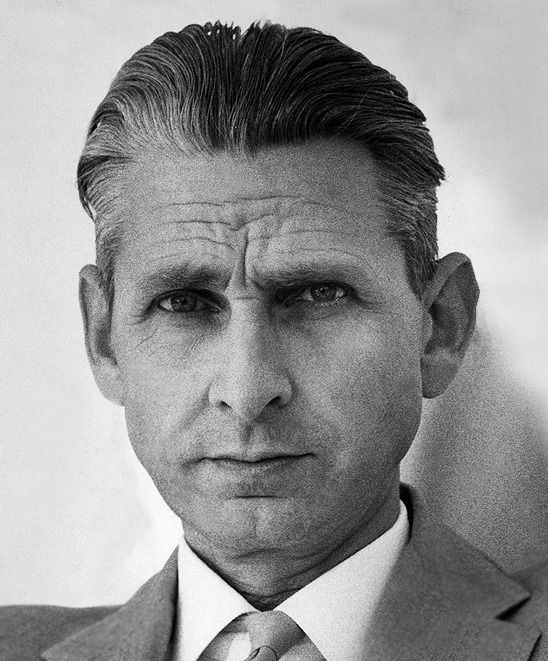
Image author