
Aīda Niedra
Biography
Latvian author Aīda Niedra (1899–1972) was born in Tirza parish, where she received her education before moving to Rīga in 1919. Her literary debut was in 1920, when she became the first Latvian poet to write openly and fearlessly about erotic love. Later she turned her attention mostly to prose, writing stylistically expressionist works, crime novels, and psychologically realistic literature. She fled Latvia in the autumn of 1944, ending up in Esslingen, Germany; she stayed there until 1949, when she moved to the West Coast of the United States and lived in Hollywood and Santa Monica among other places. As part of the Latvian refugee community, she was drawn to write about Latvia and her memories of Rīga. She also wrote about how she had fled from Latvia and described – at times with a hint of dry wit – her life within and experiences of the Latvian refugee community. Over the course of her 50-year literary career, she wrote 30 novels and a number of story collections.
Niedra’s prose works centre on strong female characters who occasionally stun their contemporaries with their temperamental natures and open eroticism. This, along with the author’s romantic style, has caused Latvian critics to compare her to George Sand. Niedra’s novels also feature positivism, impressionism, and expressionism. She found the best source material for her writing in her home region and from speaking with local country people, and she said that she held within her fantastic stories of days gone by as well as a strong passion for life which allowed her to see into the Latvian soul. Niedra’s works bring past decades and eras to life, with forgotten people and their experiences made visible once more.
Bibliography
Novels
Miera ielas cepurniece [The Hatter of Miera street] (1991)
Ādams un Ieva [Adam and Eve] (1971)
Rīga dienās, nedienās [Days and Misfortune of Riga] (1970)
Varavīksnes pār Rīgu [Rainbows over Riga] (1969)
Atkal Eiropā [In Europe Again] (1968)
Sastapšanās pie Operas kafejnīcas [Encounters at the Opera Café] (1967)
Trīs laimes meklētāji [Three Seekers of Happiness] (1966)
Indrānes oši šalc [The Rustle of Indrāni Ash trees] (1965)
Līgava un sieva [Bride and Wife] (1963)
Holivudas klauns [Hollywood Clown] (1963)
Tas trakais kavalieru gads... [That Crazy Year of Cavaliers] (1962)
Sieviete ar sarkaniem ērkšķiem [Woman with Red Thorns] (1961)
Bulvāru čigāni [Gypsies of the Boulevard] (1960)
Ugunis pār Rata kalnu [Lights over the Wheel Mountain] (1959)
Zelta vārtu pilsēta [City of the Golden Gates] (1959)
Mūžīgā Ieva [Eternal Eve] (1958)
Pērles Majores draugs [Friend of Pearl Majore] (1958)
Melnā magone [Black Poppy] (1956)
Pilsēta pie Daugavas [Town near Daugava] (1955)
Trīs Cauņu sievietes [Three Women of Cauna] (1954)
Katrīne Ābele (1950)
Rožu pelni [Ashes of Roses] (1946)
Maija Purene (1944)
Rūžu Kristīne [Kristine from Rūži] (1943)
Kārdinātāja [Temptress] (1942)
Ugunī [On Fire] (1940)
Sieva [The Wife] (1938)
Vindedze (1937)
Anna Dzilna (1936)
Ciema spīgana [Village Witch] (1935)
Salna [Frost] (1934)
Pie Azandas upes [Along the Azanda River] (1933)
Piektais bauslis [The Fifth Commandment] (1931)
Grēka ābols [The Apple of Sin] (1931)
Cilvēks ar zelta acīm [A Person with Golden Eyes] (1928)
Sarkanā vāze [The Red Vase] (1927)
Stories
Karašu galā [At the end of Round Bread] (1990)
Meža jaunava [Forest Maiden] (1966)
Melnās plūmes pie sarkanām lūpām [Black Plums at Red Lips] (1964)
Pasaules plauksta [Hand of the World] (1952)
Azandas ļaudis [Folks of Azanda] (1943)
Vanagu ligzda [Hawks Nest] (1937)
Svētais vīns [Holy Wine] (1928)
Poetry
Dziesminiece [Song-writer] (1935)
Erosa eleģijas [Elegy of Eros] (1924)
Young Adult
Mūzīgā pasaka [Eternal Fairy-tale] (1937)
Articles
About The Wife // Jaunā Gaita, nr. 100, 1974 [LV]
Reviews
Ilmārs Briedis, No Zemgales caur Ameriku un Eiropu, review of The Apple of Sin and In Europe Again // Jaunā Gaita, nr. 80, 1970 [LV]
Awards
1939, the Culture Fund Award for The Wife
1937, the Culture FUnd Award for Anna Dzilna
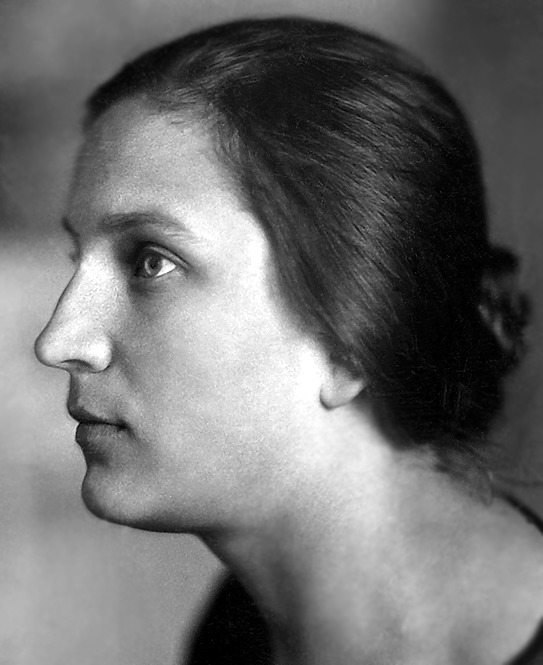
Image author